Why Are Dental X-Rays Important — And Are They Safe?
If you have ever wondered why your dentist takes X-rays at your regular checkup, especially when your teeth feel fine, you are not alone. Dental X-rays are among the most commonly performed diagnostic tools in dentistry, yet many patients are unsure what they reveal, how often they are needed, or whether the radiation exposure is something to be concerned about.
The short answer is that dental X-rays are a critical part of thorough, preventive dental care, and modern digital X-ray technology has made them safer than ever. At Integrated Dental, your trusted dentist in Woodbury, NY, we use dental X-rays thoughtfully and purposefully to give our patients the most complete picture of their oral health possible.
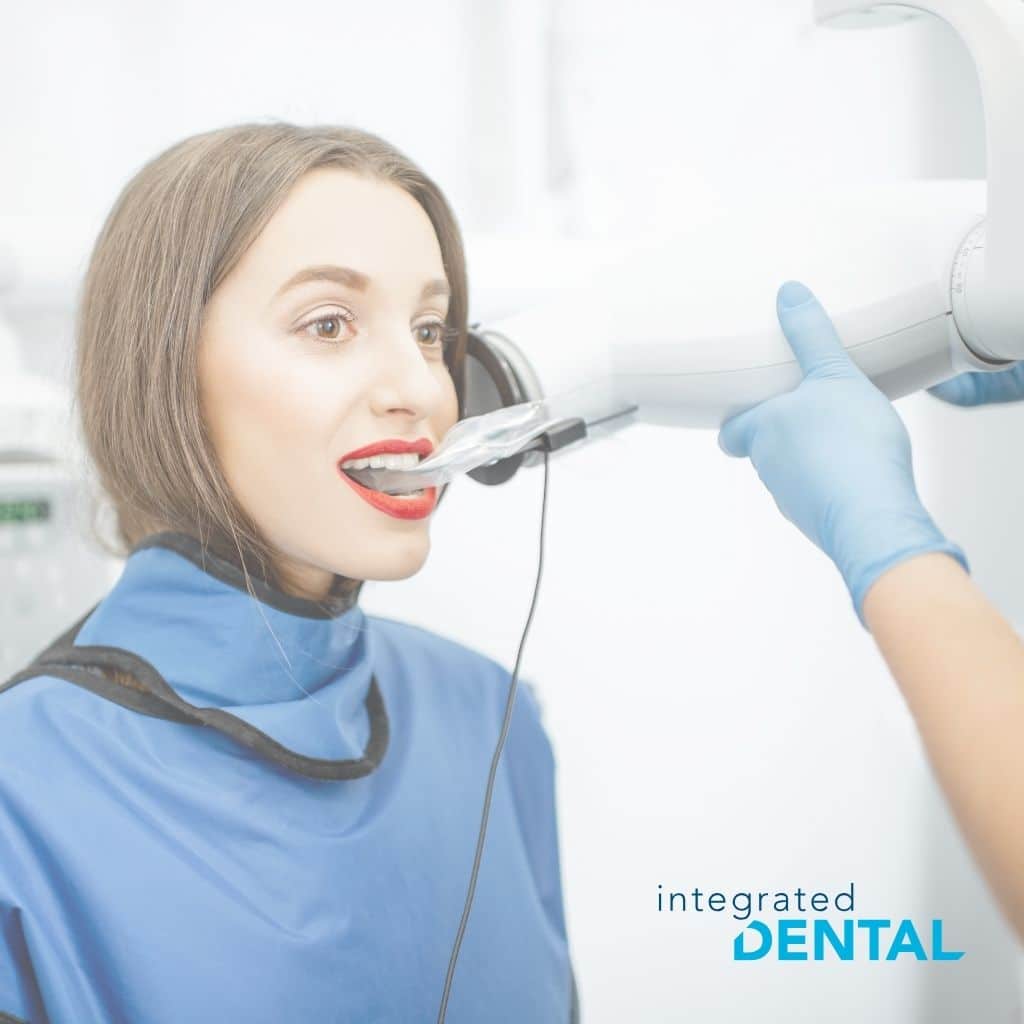
What Dental X-Rays Actually Show
A visual examination alone, even a thorough one, has inherent limits. Your dentist can evaluate the surfaces of your teeth, your gum tissue, and the visible structures in your mouth, but a significant amount of important information is hidden beneath the surface. Dental X-rays allow your dentist to see what cannot be seen with the naked eye, including:
- Cavities forming between teeth or beneath existing fillings, which are invisible during a visual exam
- Bone loss in the jaw is associated with gum disease or tooth loss.
- Infections or abscesses at the root of a tooth
- Impacted teeth, including wisdom teeth that have not yet erupted
- Developmental abnormalities in tooth structure or positioning
- Cysts, tumors, or other abnormal growths in the jaw
- The depth and health of the bone supporting each tooth.
Many of these conditions produce no noticeable symptoms in their early stages. By the time a patient feels pain or notices something is wrong, the problem has often progressed significantly. X-rays allow dental issues to be identified and addressed earlier, when treatment is simpler, less invasive, and less costly.
The Different Types of Dental X-Rays
Not all dental X-rays are the same. Different types capture different areas of the mouth and are used for different diagnostic purposes. Your dentist will select the appropriate type based on your specific needs and what information is required.
Bitewing X-Rays
Bitewing X-rays are the most common type taken at routine checkups. They show the upper and lower teeth in a specific area of the mouth biting together, revealing the crowns of the teeth and the level of bone between them. They are particularly useful for detecting cavities between teeth and early signs of bone loss from gum disease.
Periapical X-Rays
Periapical X-rays capture the entire tooth, from the crown to the tip of the root, and the surrounding bone. They are used when a dentist needs to evaluate the root structure of a specific tooth, check for infections or abscesses, or assess the bone surrounding a tooth that may be causing symptoms.
Panoramic X-Rays
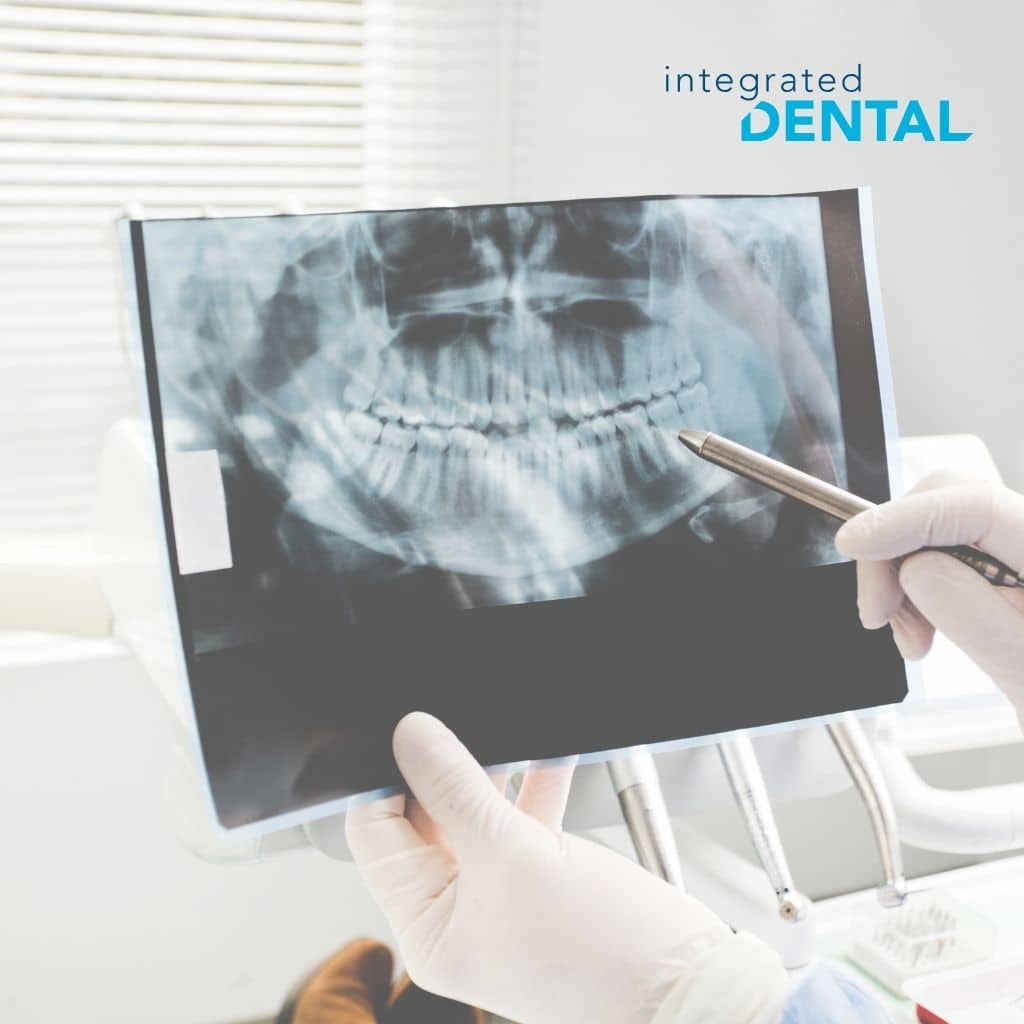
A panoramic X-ray captures the entire mouth in a single image, all teeth, both jaws, the temporomandibular joints, and the surrounding bone. This type of X-ray is commonly used for a broad overview of oral health, evaluating wisdom teeth, planning orthodontic or implant treatment, or detecting jaw-related issues that would not appear on smaller images.
Cone Beam CT (CBCT)
Cone beam CT imaging provides a three-dimensional view of the teeth, bone, nerves, and soft tissue. It is used for more complex treatment planning, particularly for dental implants, oral surgery, and cases where precise spatial information about bone structure is critical. This level of detail is not needed for routine care but is invaluable when planning more involved procedures.
How Often Do You Need Dental X-Rays?
The frequency of dental X-rays recommended varies from patient to patient. There is no universal schedule that applies to everyone; rather, frequency is determined by a patient’s individual risk profile, dental history, age, and overall oral health.
Patients who are new to a practice, those with a history of frequent cavities or gum disease, and patients undergoing specific treatments may need X-rays more frequently. Patients with a long history of good oral health and low cavity risk may need them less often. Children and adolescents generally require more frequent X-rays than adults because their teeth and jaws are still developing, and changes occur more rapidly.
Your dentist at Integrated Dental will assess your individual situation and recommend an X-ray schedule tailored to your specific needs, not a one-size-fits-all protocol.
Are Dental X-Rays Safe?
This is the question patients ask most often, and the answer is reassuring. Dental X-rays do involve a small amount of radiation exposure, but the levels are extremely low, and digital X-ray technology, which Integrated Dental uses, has significantly reduced radiation exposure compared to traditional film X-rays.
To put it in perspective: the radiation exposure from a standard set of bitewing X-rays is comparable to the natural background radiation a person receives in a normal day simply from the environment. Everyday activities, such as flying on an airplane and spending time outdoors, expose you to more radiation than a routine dental X-ray.
That said, your dental team takes your safety seriously. Protective measures are always in place during X-rays, including:
- Lead aprons shield the body from any scattered radiation.
- Thyroid collars are particularly important for children and patients who are pregnant or may become pregnant.
- Precise targeting of the X-ray beam to capture only the necessary area
For pregnant patients, it is always worth informing your dental team before X-rays are taken. In most non-emergency situations, X-rays can be postponed until after delivery. When dental X-rays are genuinely necessary during pregnancy, the protective measures described above make them safe to perform.
Digital X-Rays vs. Traditional Film X-Rays
Integrated Dental uses digital X-ray technology rather than traditional film-based X-rays, and the difference matters for patients in several meaningful ways.
- Lower radiation: Digital X-rays use significantly less radiation than film X-rays, in many cases up to 80% less
- Faster results: Images are available on screen within seconds, meaning less time waiting and more time discussing your results with your dentist
- Better image quality: Digital images can be enhanced, magnified, and adjusted on screen, making it easier to identify subtle issues
- No chemical processing: Digital X-rays eliminate the need for chemical developing solutions, which is better for the environment and more efficient for the practice
- Easy storage and sharing: Digital images are stored securely in your patient record and can be easily shared with specialists when needed
What Happens When Something Is Found on an X-Ray?
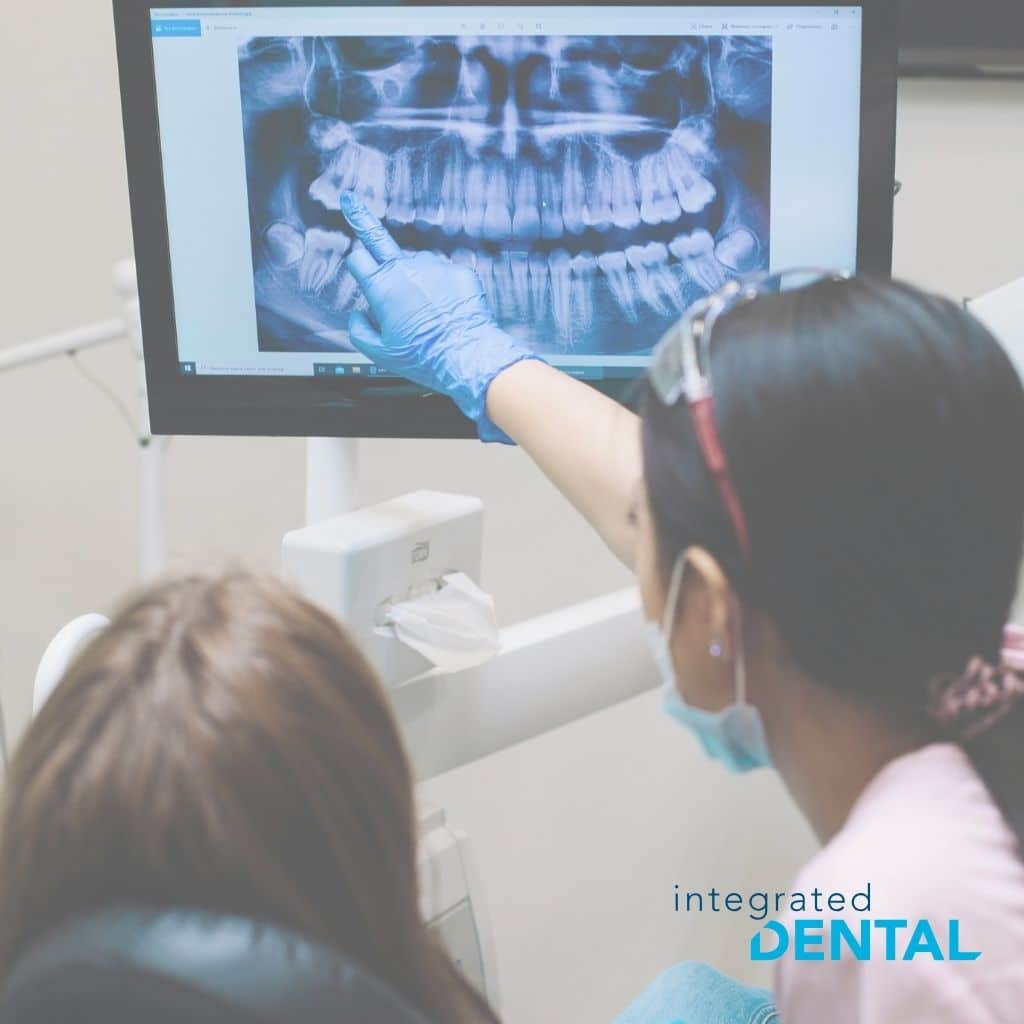
If a dental X-ray reveals an issue, whether it is a small cavity between two teeth, early bone loss, or a developing problem with a wisdom tooth, your dentist will walk you through exactly what they are seeing and what it means. You will not be handed a treatment plan without a clear explanation of the findings that led to it.
In many cases, catching a problem early on an X-ray results in a far simpler and less involved course of treatment than would have been required if the same issue had been allowed to develop further. A small cavity detected on a bitewing X-ray can often be addressed with a straightforward filling. The same cavity, left undetected for another year or two, may progress to the point of requiring a crown or root canal.
Early detection through routine X-rays is genuinely one of the most effective tools available for keeping dental treatment simple, affordable, and minimally invasive over the long term.
Request an Appointment
X-Rays as Part of a Complete Preventive Care Plan
Dental X-rays do not stand alone; they are one component of a comprehensive preventive care approach that includes regular cleanings, thorough visual examinations, gum health assessments, and patient education. Together, these elements give your dentist the most complete picture of your oral health and allow for proactive management of any issues before they become more serious.
At Integrated Dental, we believe that informed patients make better decisions about their care. When X-rays are recommended, we take the time to explain why they are being taken, what we are looking for, and what the results show, so you always understand what is happening with your oral health and what steps are being taken to protect it.
Your Dentist in Woodbury, NY — Comprehensive Care You Can Trust
At Integrated Dental, we combine advanced diagnostic technology with a patient-centered approach to care that puts your comfort and understanding first. As a dentist in Woodbury, NY, we serve patients throughout the surrounding communities with a full range of preventive, restorative, and cosmetic dental services.
Whether you are due for a routine cleaning and X-rays, have a specific concern you would like evaluated, or are looking for a dental home for your family, our team is here to provide the thorough, honest, and compassionate care you deserve.
Book an Appointment at Integrated Dental
Do not wait for a problem to become painful before addressing it. Contact Integrated Dental today to schedule a comprehensive exam and cleaning. Serving patients in Woodbury, Syosset, Plainview, Jericho, Bethpage, and throughout Nassau County and Long Island.