Why Do My Gums Bleed When I Brush?
Bleeding gums are one of the most common dental symptoms patients notice at home, and one of the most commonly dismissed. It is easy to assume that a little blood when you brush is normal, especially if it happens occasionally or seems minor. But gums that bleed regularly are not supposed to bleed, and the reason they do is almost always something that deserves attention.
At Integrated Dental, we hear this concern often. Whether your gums have been bleeding for a few weeks or much longer, understanding what is causing it is the first step toward getting it under control. If you are experiencing sudden or severe gum pain, swelling, or bleeding, contact Integrated Dental, your resource for a dental emergency in Woodbury. We are here to help you get the right care promptly.
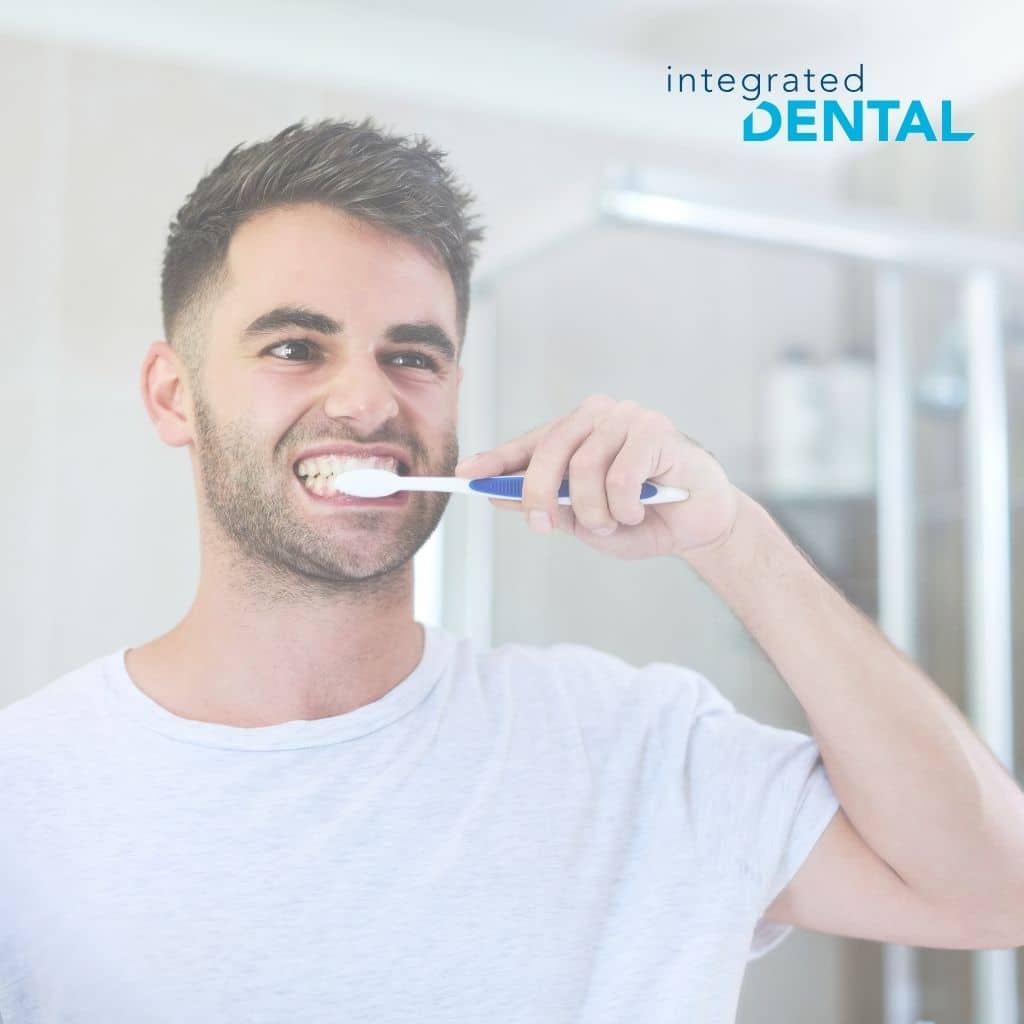
The Most Common Reason: Gum Inflammation
In most cases, bleeding gums are a sign of gingivitis, the earliest and most treatable stage of gum disease. Gingivitis develops when plaque, the soft, sticky film of bacteria that forms on teeth throughout the day, is not consistently removed by brushing and flossing. When plaque accumulates along the gumline, the bacteria within it trigger an inflammatory response in the surrounding gum tissue.
Inflamed gums become swollen, tender, and fragile, and fragile gum tissue bleeds easily when disturbed by a toothbrush or floss. This is why bleeding during brushing is such a reliable early indicator of gum inflammation. The good news is that gingivitis is reversible. With a professional cleaning to remove built-up plaque and tartar, combined with improved at-home hygiene habits, most patients see their gum health return to normal within a few weeks.
The concern is what happens when gingivitis goes untreated. Left untreated, it can progress to periodontitis, a more advanced form of gum disease that damages the bone and connective tissue supporting the teeth. Unlike gingivitis, the bone loss associated with periodontitis is not reversible. This is why bleeding gums, however minor they may seem, should never simply be waited out.
Other Reasons Gums May Bleed
While gum disease is the most frequent culprit, it is not the only reason gums bleed. Several other factors can contribute to or worsen gum bleeding:
Brushing Technique
Brushing too aggressively or using a toothbrush with hard bristles can physically irritate and damage gum tissue. Healthy gums can bleed when scrubbed rather than cleaned. A soft-bristled toothbrush and gentle, circular motions are all that are needed for effective plaque removal; force does not improve results and can cause harm over time.
Infrequent Flossing
Patients who floss infrequently often notice bleeding when they start flossing more regularly. This is because the gum tissue between teeth has become inflamed due to plaque that builds up in areas a toothbrush cannot reach. In most cases, bleeding diminishes within 1 to 2 weeks of consistent daily flossing as the gum tissue becomes healthier. If it does not, that is a signal to schedule a dental evaluation.
Medications
Certain medications, including blood thinners, some blood pressure medications, and others, can make gum tissue more prone to bleeding. If you have recently started a new medication and noticed a change in how your gums respond to brushing, mention this at your next dental visit. Your dentist can help determine whether the medication is a contributing factor and advise accordingly.
Hormonal Changes
Hormonal fluctuations, such as those that occur during pregnancy, puberty, or menopause, can affect gum tissue, making it more sensitive and more reactive to plaque. Pregnancy gingivitis is particularly common and can cause gums to bleed even in patients who previously had healthy gum tissue. Maintaining rigorous oral hygiene and staying current with dental cleanings during these periods is especially important.
Nutritional Deficiencies
A diet lacking certain essential nutrients can affect the health and integrity of gum tissue. Deficiencies in vitamins that support tissue health and healing can make gums more susceptible to inflammation and bleeding. For most patients, dietary factors play a supporting role rather than a primary one, but they are worth considering as part of the overall picture.
New Dental Appliances
Ill-fitting dentures, retainers, or other dental appliances that place pressure on or rub against the gum tissue can cause localized irritation and bleeding. If you have recently had a new appliance fitted and noticed bleeding in a specific area, have your dentist evaluate the fit.
Request an appointment
When Bleeding Gums Become a Dental Emergency
Most cases of bleeding gums are not emergencies; they are signals that something in your oral health routine or gum condition needs to be addressed, ideally at your next scheduled dental visit. However, there are situations where bleeding gums warrant more urgent attention.
You should contact a dentist promptly if you experience:
- Sudden, heavy, or prolonged gum bleeding that does not stop
- Significant pain, swelling, or abscess formation in the gum tissue
- Gum bleeding accompanied by fever or facial swelling
- Bleeding following a dental procedure that seems excessive or is not subsiding
- A sudden change in how your gums look or feel, alongside bleeding
If you are dealing with a dental emergency in Woodbury, Integrated Dental is equipped to evaluate urgent gum and oral health concerns and provide the appropriate level of care. Do not wait and hope a serious situation resolves on its own; early intervention is always the better path.
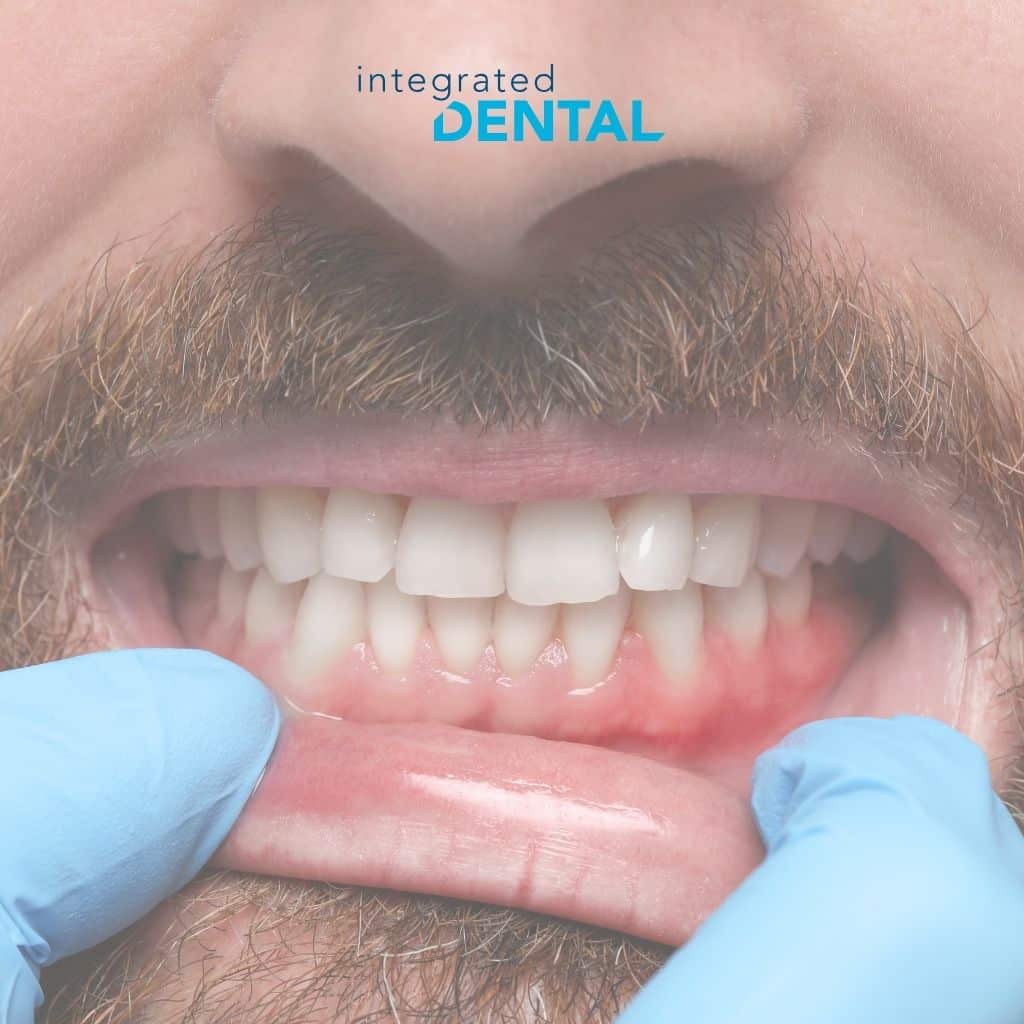
What a Dental Evaluation for Bleeding Gums Involves
When you come in for a gum evaluation at Integrated Dental, your dentist will conduct a thorough assessment to identify the underlying cause of the bleeding and determine how far, if at all, any gum disease has progressed.
This evaluation typically includes:
- A visual examination of the gum tissue for signs of inflammation, recession, or abnormality
- Periodontal probing, a simple, gentle measurement of the depth of the pockets between your teeth and gums, which indicates the health of the supporting structures
- A review of your dental X-rays to assess bone levels and check for signs of bone loss
- A discussion of your home care routine, medical history, and any medications or lifestyle factors that may be contributing
Based on this assessment, your dentist will recommend the most appropriate next step, whether that is a routine professional cleaning, a deep cleaning procedure (also called scaling and root planing) for more advanced gum disease, or simply guidance on improving your home care technique.
How to Stop Gums From Bleeding at Home
While a dental evaluation is important for understanding the root cause of bleeding gums, there are steps you can take at home to support your gum health in the meantime:
- Brush twice daily with a soft-bristled toothbrush, using gentle circular motions and avoiding back-and-forth scrubbing.
- Floss once daily, taking care to guide the floss gently between teeth and along the gumline rather than snapping it into place
- Rinse with an antimicrobial mouthwash to help reduce the bacterial load in the mouth.
- Stay well hydrated. Saliva plays an important role in oral health, and a dry mouth can worsen gum irritation.
- Avoid smoking or using tobacco products, which are among the most significant risk factors for gum disease and impair the gum tissue’s ability to heal.
These steps can make a real difference, particularly for early-stage gingivitis. But they work best alongside professional care, not as a substitute for it. If your gums have been bleeding consistently, a professional cleaning and evaluation are the most important steps you can take.

The Connection Between Gum Health and Overall Health
Gum disease is not just a dental issue; it has been linked to broader health conditions involving the cardiovascular system, blood sugar regulation in patients with diabetes, and other systemic health concerns. The mouth is not separate from the rest of the body, and chronic inflammation in the gum tissue can affect areas beyond the teeth and jaw.
This is one more reason why bleeding gums deserve to be taken seriously rather than normalized. Protecting your gum health is part of protecting your overall health, and it is one of the most accessible and preventable areas of healthcare.
Gum Concerns in Woodbury? Integrated Dental Is Here to Help
Whether you have noticed occasional bleeding during brushing or are dealing with persistent gum symptoms that concern you, the team at Integrated Dental is ready to help you get to the bottom of it. As a full-service dental practice serving Woodbury and the surrounding communities, we provide comprehensive gum evaluations, professional cleanings, and periodontal treatment tailored to each patient’s needs.
Contact Integrated Dental today to schedule an appointment. If you are experiencing a dental emergency in Woodbury, do not hesitate to reach out. We are here to provide prompt, effective care when you need it most. Serving patients in Woodbury, Syosset, Plainview, Jericho, Bethpage, and throughout Nassau County and Long Island.